-min.png)


Presentation
In the present quickly progressing technological landscape, artificial intelligence (AI) has become a foundation of innovation. One of the most powerful platforms in this field is AI as a Service, offering comprehensive machine learning (ML) software and AI services, collectively known as Azure Machine Learning (Azure ML). But what exactly is Azure ML, and why is it so significant?
What is Azure ML?
Azure ML is a cloud-based service provided by Microsoft Azure. It enables developers and data scientists to build, train, and deploy machine learning models. This service offers an end-to-end platform for all things AI, making it a go-to solution for businesses looking to leverage the power of artificial intelligence with Azure ML Studio and ML as a service. Integration with the Azure AI workspace further enhances its utility.
The Development of Azure ML
Azure ML has come a long way since its inception. Initially launched as a simple tool for data scientists, it has evolved into a comprehensive platform with a plethora of features designed to make machine learning accessible and efficient. Significant updates have continuously improved its capabilities, ensuring it remains at the forefront of technology. For those new to the platform, an Azure ML tutorial can be highly beneficial, and the Azure AI documentation is an invaluable resource.
Why Choose Azure ML?
So, why should you choose Azure ML over other platforms? For starters, its integration with the Azure ML workspace and the broader cloud ecosystem provides seamless connectivity with various Azure services, making it an integral part of the Azure ecosystem. This facilitates easier integration of AI into broader business applications. Furthermore, Azure ML offers robust scalability, allowing businesses to grow their ML capabilities without worrying about infrastructure limitations.
Azure ML Studio
One of the standout features of Azure ML is the Azure ML Studio. The Azure AI ML Studio provides a visual interface that simplifies the process of building and deploying machine learning models. With drag-and-drop capabilities and a user-friendly design, even those with minimal coding experience can create complex models. For more guidance, an Azure ML Studio tutorial can be extremely helpful.

Key Components of Azure ML
To make the most of Azure ML, understanding its key components is essential:
- Workspaces: Integrated environments where you can manage all your ML assets.
- Datasets: Collections of data used to train and test your models.
- Experiments: Trials you run to test different models and configurations.
- Pipelines: Automated workflows that streamline the process of developing and deploying models.

Building Models with Azure ML
Creating a machine learning model with Azure ML involves several steps:
- Data Preparation: Cleaning and organizing your data.
- Model Training: Using algorithms to learn from your data.
- Model Evaluation: Testing the model's accuracy and performance.
- Model Deployment: Making the model available for use in production environments.
Azure ML provides a range of tools and resources to aid in each of these steps, ensuring you have everything you need to succeed throughout the ML lifecycle, from building models to deploying and managing them.

Deploying Models on Azure
Once your model is ready, deploying it on Azure is straightforward. Azure ML supports various deployment options, including real-time scoring and batch processing. Following best practices like MLOps, secure production environments, and auditable settings ensures a smooth deployment process. Continuous integration and continuous deployment (CI/CD) can further streamline this process.

Integrating Azure ML with Other Azure Services
One of the biggest advantages of using Azure ML is its seamless integration with other Azure services. For instance, you can easily connect your ML models to Azure Data Lake for scalable data storage or use Azure Databricks for big data processing. Integration with Cognitive Services further enhances your ability to analyze and visualize data.

Azure ML and Artificial Intelligence
AI is at the core of Azure ML. By leveraging AI services, businesses can automate complex processes, gain deeper insights from their data, and create intelligent applications. Examples include predictive maintenance in manufacturing, customer behavior analysis in retail, and personalized healthcare solutions through Microsoft Azure AI services.

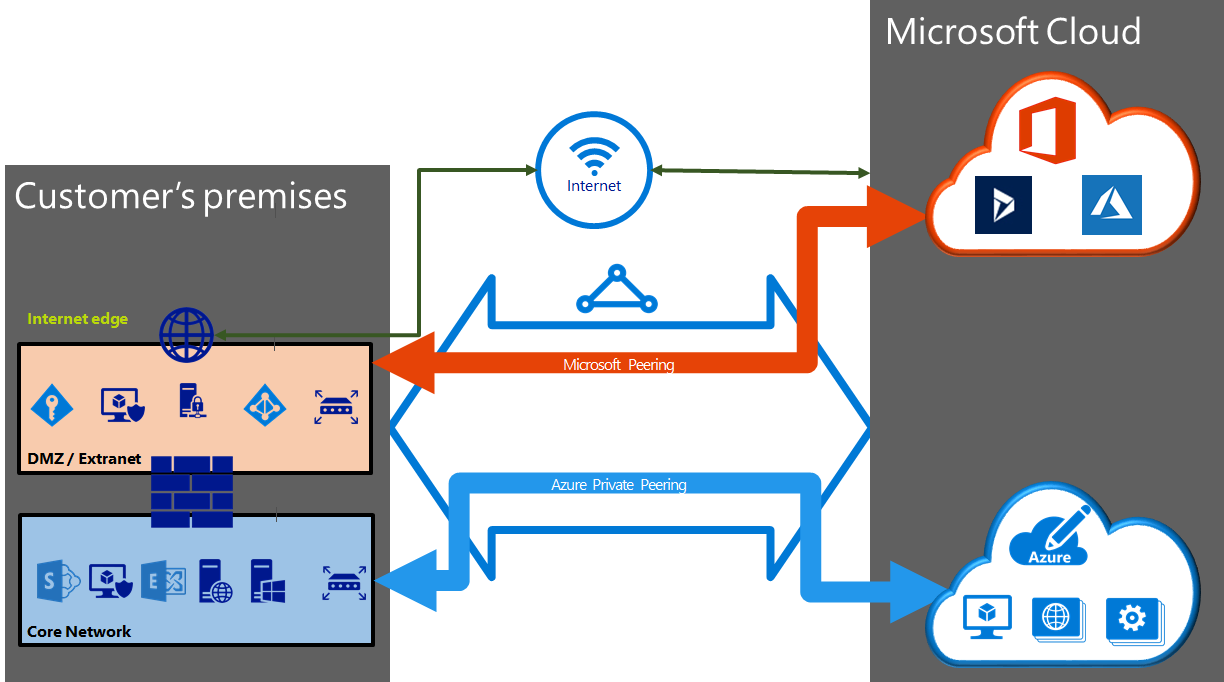
Security is a critical concern for any cloud service, and Azure ML does not disappoint. It offers enterprise-grade security features, including data encryption, identity and access management, and compliance with industry standards, ensuring your data is protected and secure. Additionally, Azure ML adheres to major industry standards, ensuring your data remains protected and compliant with tools like Azure Key Vault.
Security and Compliance
Cost Management and Pricing
Understanding the pricing model of Azure ML is crucial for effective cost management. Azure ML pricing is based on several factors, including compute usage, data storage, and additional features. By using tools like the Azure Pricing Calculator, you can estimate costs and plan your budget accordingly. Optimizing resource usage and employing cost-saving strategies can help manage expenses effectively. Azure's cost management features can help minimize costs.
Real-World Success Stories
Many companies have achieved remarkable success using Azure ML. For example, a leading retail chain used Azure ML to optimize its supply chain management, resulting in significant cost savings and improved efficiency. Another case is a healthcare provider that utilized Azure ML to develop personalized treatment plans, leading to better patient outcomes.
Challenges and Limitations
Despite its many advantages, Azure ML is not without its challenges. Common issues include the steep learning curve for beginners, occasional service outages, and integration complexities. However, by leveraging Azure's extensive documentation and support resources, users can overcome these challenges and maximize their productivity.
Future of Azure ML
Looking ahead, the future of Azure ML appears bright. Microsoft continually invests in this platform, with upcoming features and updates aimed at further enhancing its capabilities. Predictions suggest that Azure ML will play an even more critical role in the adoption of AI and ML across industries, driving innovation and growth.
Conclusion
In summary, Azure Machine Learning is a powerful, versatile platform that enables businesses to harness the potential of machine learning. Its comprehensive features, seamless integration with Azure services, and robust security make it an ideal choice for organizations looking to innovate and stay competitive in today's digital age. Whether you're a seasoned data scientist or a business looking to explore AI, Azure ML offers the machine learning solutions and resources you need to succeed
FAQs
What is Azure ML used for? Azure ML is used for building, training, and deploying machine learning models, enabling businesses to leverage AI for various applications such as predictive analytics, automation, and data-driven decision-making.
How do I get started with Azure ML? To get started with Azure ML, you can sign up for an Azure account, access the Azure ML Studio, and follow the provided tutorials and documentation to create and deploy your first model.
What are the benefits of using Azure ML over other platforms? Azure ML offers several benefits, including seamless integration with other Azure services, robust scalability, a user-friendly interface, and comprehensive security features, making it a preferred choice for many businesses within the Azure ecosystem.
Can Azure ML be used by beginners? Yes, Azure ML is designed to be user-friendly, with tools like the Azure ML Studio that simplify the process of building and deploying models, enhancing the overall user experience and making it accessible even for beginners.
How secure is Azure Machine Learning? Azure ML provides robust security features, including data encryption, identity and access management, and compliance with industry standards, ensuring your data is protected and secure
-min.png)
